
Excel Landscaping is a trusted retaining wall contractor in St. Louis, designing and installing retaining wall systems that stabilize slopes, improve drainage, prevent erosion, and create usable outdoor living spaces built to last.
Explore real retaining wall projects completed across the St. Louis area, from slope correction and drainage improvements to backyard transformations with patios, steps, and outdoor living features.
Erosion can gradually wash away soil, expose roots, damage planting areas, and make slopes harder to maintain. Addressing how soil and water move through the property can help protect existing areas while making difficult parts of the yard more stable and usable.
Helps prevent valuable soil from washing away during heavy rain.
Controls runoff to reduce erosion and damage to landscaped areas.
Helps hold soil in place and makes difficult slopes more manageable.
Reduces soil loss around patios, walkways, lawns, and planting beds.
Creates opportunities for flatter lawns, landscaping, patios, or steps.
Protects usable ground while improving the function and appearance of the property.
A failing retaining wall can cost thousands of dollars to replace. That is why we never cut corners on the unseen details. Here is how we ensure your wall stands the test of time:
1
We review slope, access, soil conditions, existing walls, runoff, and property connections.
2
3
We recommend wall systems based on height, appearance, use, and structural needs.
4
The wall area is excavated, based, compacted, drained, reinforced, and built course by course.
5
The wall is backfilled, graded, cleaned up, and reviewed so the finished space is ready.

The right material depends on height, drainage needs, budget, design goals, and whether the wall is decorative or structural.
Segmental Block Wall Systems
A durable, versatile option for residential walls, terraces, patios, and grade changes.
Natural Stone Walls
A premium look with timeless character for garden walls and custom landscapes.
Boulder Retaining Walls
Strong, natural, and suited for larger slopes or organic landscape styles.
Timber Retaining Walls
A budget-conscious option for some projects, but usually not the longest-lasting choice in wet conditions.
Retaining walls are often part of a larger outdoor project. Drainage, patios, grading, walkways, and landscaping can all affect how the finished space looks and functions.
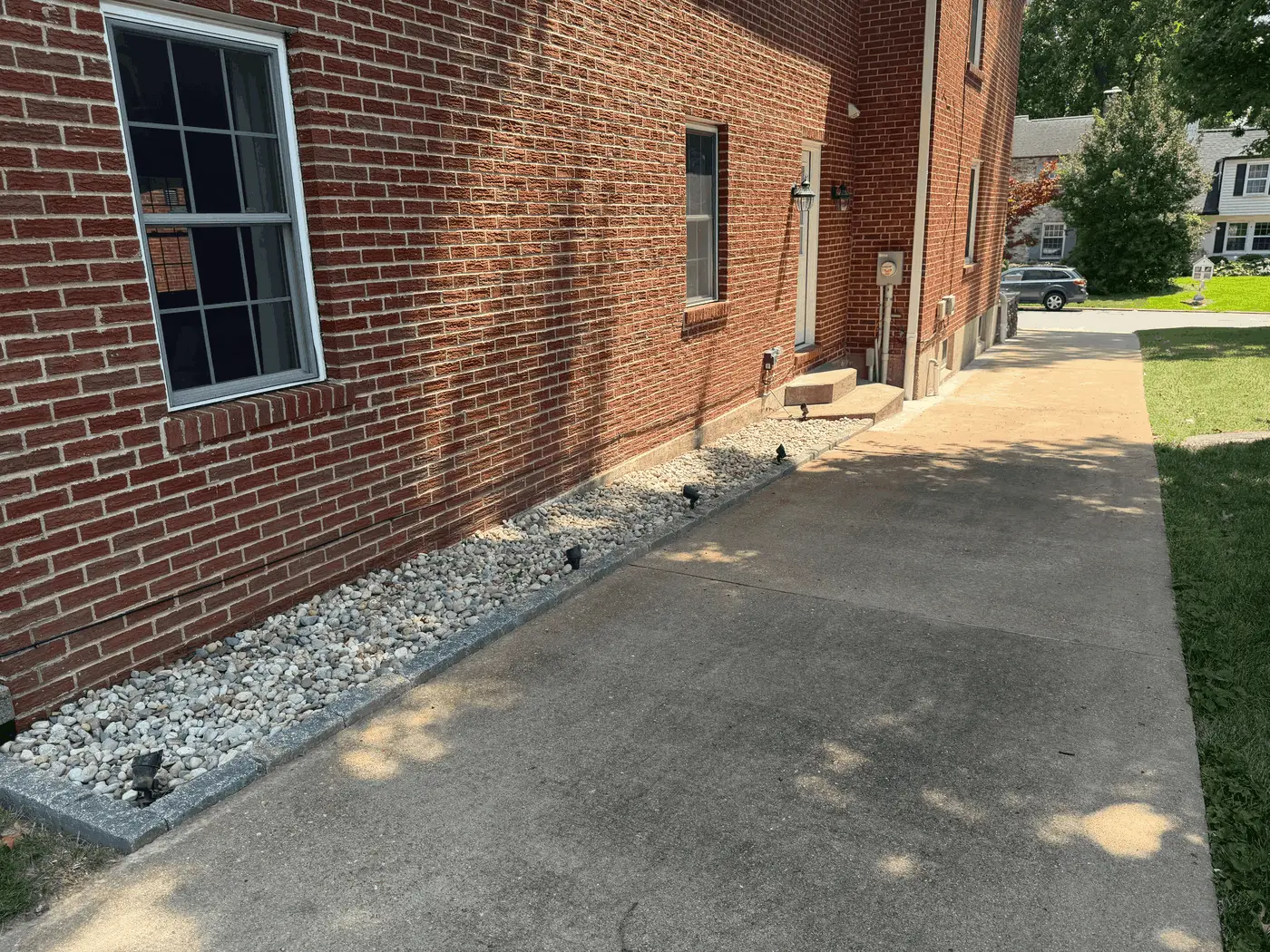
Drainage systems planned around where water starts, how it moves through the yard, and where it can be safely directed.
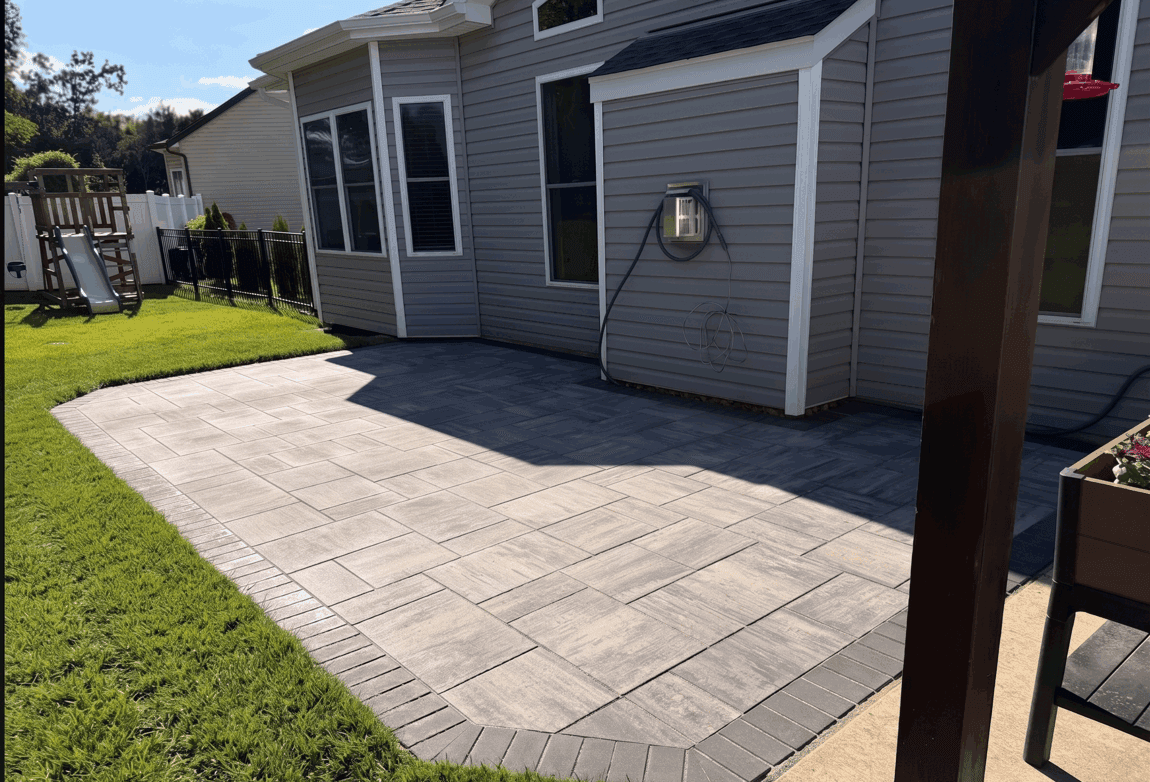
Custom paver patios, permeable patios, walkways, steps, and transitions built with proper base preparation, grading, and drainage in mind.

Complete landscape improvements combining planting, beds, edging, grading, hardscape elements, and site conditions into one coordinated plan.
The strength of a retaining wall is determined long before the final block is installed. Proper preparation, reinforcement, and drainage all work together to protect the wall from movement and premature failure. Below are the key components that make the difference.
Compacted layers support the wall, distribute weight evenly, and help reduce settling and movement over time
Perforated drain pipe collects and redirects water away from the retaining wall, helping reduce hydrostatic pressure and protect the wall over time.
Clean gravel backfill allows water to drain freely instead of becoming trapped behind the retaining wall.
Geogrid extends into the slope behind the wall, creating additional strength and stability for taller retaining walls.
Surface grading directs water away from the retaining wall to help reduce erosion and protect the surrounding landscape.
Permit requirements vary by municipality, wall height, location, drainage impact, and whether the wall supports a driveway, pool, structure, fence, guardrail, or slope load.
Walls over certain heights, walls near property lines, walls supporting additional loads, and walls affecting drainage paths may require approvals.
Larger walls, structural walls, and walls supporting driveways, pools, or steep slopes may require additional design review.
Some retaining wall problems can be repaired, while others require replacement. These are the most common signs that indicate it’s time for a professional evaluation.
Many older railroad tie retaining walls eventually rot, shift, or lose structural strength, making replacement the safest long-term option.
Cracked blocks, separating joints, or widening gaps often indicate movement behind the wall or drainage issues that should be evaluated.
A wall that bows, bulges, or leans outward is often experiencing excessive pressure from soil or water and may require structural repair or replacement.
Homeowners throughout St. Louis and surrounding West County communities trust Excel Landscaping for patios, retaining walls, drainage solutions, and custom outdoor living spaces
Posted on Google
 Christian
Trustindex verifies that the original source of the review is Google.
We couldn't be more thrilled with our new fire pit! Joe and his crew took an unused corner of our Frontenac, MO backyard and turned it into a cozy place to unwind and spend time with family and friends. Their careful craftsmanship is obvious in every detail. If you're thinking about adding a fire pit or taking on any landscaping project, I highly recommend them.Posted on Google mark landramI wanted to give a shout out to Joe from Excel Landscaping for the excellent hardscape job his company did for us. Joe is very personable and want to make sure that you are pleased with the final product before ever asking for any payment. His crew was professional, extremely hard working and very easy to work with as the project progressed.Posted on Google
 Chad HeidtmanI had a drainage issue around the back side of my house along with an above ground drainage pipe that was needing to be buried under existing concrete. Joe came to check out the situation and provided thorough recommendations. His customer first and charismatic attitude, coupled with his deep knowledge of landscaping is what led me to selecting him for the job. He and his team did an outstanding job completing the work, succeeding my expectations. I will continue to rely on Joe for future landscaping jobs and would highly recommend him to others. Thanks!Posted on Google
 Mika PatelWorked with Joe and his team - start to finish excellent work! Joe listened to all my concerns, followed through with everything and his team was amazing! Every aspect, small or big, was addressed and Joe checked in at all times! Exceeded all our expectations and the yard looks amazing!!Posted on Google
 Michael SimonBuilt a beautiful stone retaining wall at my home in Glendale. Very professional and would highly recommend!Posted on Google
 Mike WelchExcel did a great job. Crew was fast, courteous, and the end result looks greatPosted on Google
 Sherry LeaMy recent experience with Excel Landscaping was a tremendously positive encounter. Joe was so easy to work with, he listened and understood my concerns after having past dealings with a dishonest contractor. The communication was on point and he was quick to respond to text or calls. He clearly explained what steps were to be taken, he offered suggestions, and quoted very fair reasonable prices. His crew, we're extremely quick and efficient, and did an exceptional job cleaning up after the work was completed. I highly recommend Excel Landscaping and will be using them for any future projects I my have and will be referring them to friends and family. Thank you Joe for your quality work and professionalism.Posted on Google
 Jessie HoughWe’re very happy with how our project turned out. The crew removed some old garden beds and installed a small retaining wall. The work was done well and Joe was friendly and easy to work with!Posted on Google
 Barbara CutlipJoe and crew showed up as promised and were so friendly and respectful of the property. Every detail was fully explained and end result on my new pretty retaining wall was perfect. They went the extra mile to grade and restore the yard after the equipment to deliver the blocks and sand and gravel tore up the grass a bit. I would highly recommend this company for any hardscape or landscape project'sPosted on Google
 Colten PerdueExcel landscaping is awesome they did a fantastic job on our paver patio in ladue. They were super clean and organized.Load moreVerified by TrustindexTrustindex verified badge is the Universal Symbol of Trust. Only the greatest companies can get the verified badge who has a review score above 4.5, based on customer reviews over the past 12 months. Read more

Providing professional landscape and hardscape materials designed for durability and long-term outdoor performance.

Known throughout the industry for premium pavers and retaining wall systems that combine lasting durability with timeless design.

Industry-leading retaining wall systems designed to provide structural support, lasting performance, and a clean architectural finish.
Excel Landscaping serves homeowners throughout St. Louis and surrounding communities with paver patios, retaining walls, drainage solutions, landscape installation, and other outdoor improvements.
Choose your area below to explore local services, completed projects, and examples of work near you.
While every retaining wall project is unique, our years of experience designing and installing retaining walls throughout the St. Louis area have shown that most projects start around $8,000. The final investment depends on factors such as wall height, length, material selection, drainage requirements, site access, engineering needs, and what the wall is designed to support.
Yes, proper drainage is one of the most important parts of any retaining wall installation. Without it, water can build up behind the wall, creating pressure that leads to leaning, bulging, cracking, and premature failure. Excel Landscaping engineers every retaining wall with the appropriate drainage system, including backfill, drainage aggregate, and water management solutions, to relieve hydrostatic pressure and ensure long-term structural performance.
Sometimes, but it depends on why the wall is failing. If a retaining wall is leaning because of drainage issues, poor base preparation, soil movement, or structural failure, replacement is often the safest and most cost-effective long-term solution. Excel Landscaping begins every retaining wall project with an on-site evaluation to assess soil conditions, drainage, slope, and the surrounding environment. That allows us to recommend the right solution and build a retaining wall designed to withstand St. Louis weather and perform reliably for years to come.
In many cases, residential retaining walls can be built without a permit. However, taller walls, certain municipalities, and site-specific conditions may require engineering, permits, or local approval. Excel Landscaping engineers the retaining wall to meet local requirements and handles the permitting process on your behalf, ensuring the finished wall is structurally sound, fully compliant, and built to perform for years to come.
The best retaining wall material depends on the wall’s height, purpose, soil conditions, drainage requirements, and the overall design of the property. Segmental concrete block systems are a popular choice for many residential retaining walls, while natural stone and engineered wall systems may be better suited for larger, structural, or custom projects. Excel Landscaping works with industry-leading manufacturers and suppliers to recommend proven retaining wall systems designed for long-term strength, durability, and performance.
Tell us about your property and we’ll take it from there. Every project starts with a site visit, no commitment required.